My niece texted me last week with a question I never expected from a 19-year-old: "Auntie Gulnora, which pressing plant should I trust for a limited-edition indie release?" She wasn't asking about a sneaker drop or a crypto token. She was asking about vinyl records — the same format her grandmother saved up for months to buy in Tashkent back in 1978.
Ten years ago, I'd have called that a joke. Today, it's a $1.4 billion global business that's rewriting the economics of an industry everyone declared dead twice over.
The Numbers That Shouldn't Make Sense
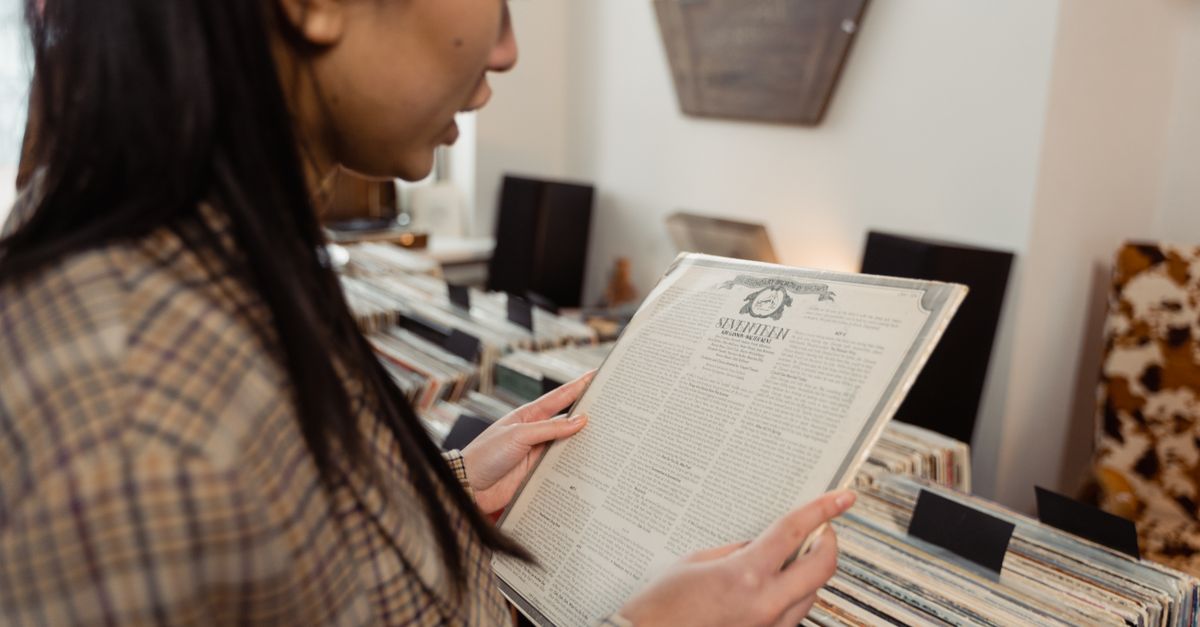
Let's be honest: the vinyl comeback is the strangest business story of the decade. In 2023, vinyl records outsold CDs in the United States for the first time since 1987 — and they held that lead through 2024. The RIAA reported record sales revenue hit $1.4 billion, marking eighteen consecutive years of growth. Eighteen. That's not a fad. That's a trend with a mortgage and a retirement plan.
Here's the part that genuinely surprised me: a huge share of vinyl buyers don't even own a turntable. Surveys have suggested somewhere between a third and half of Gen Z record purchasers play them rarely or not at all. They're buying physical objects as merchandise, decor, and identity signals. And before you roll your eyes, ask yourself — is that any weirder than buying a band poster? Or a jersey you'll never play in?
Why Gen Z Fell for Grooves and Paper Sleeves
I've found that most trend pieces get this wrong. They frame it as nostalgia. But you can't be nostalgic for something you never experienced.
The truth is simpler and stranger: Gen Z is chasing tangibility in a world that's gone weightless. Their music lives in a cloud, their photos vanish into an app, their games are rented licenses. A record is a thing you can hold, smell, and display. The ritual matters — sliding the sleeve out, dropping the needle, reading the liner notes like a letter from the artist.
There's also the algorithmic fatigue. Streaming gives you everything and you feel nothing. A record forces you to commit to one album for 40 minutes. That constraint feels like freedom to a generation that's never known a world without infinite scroll.
And let's not forget the social layer. Record store culture is inherently IRL — crate-digging with friends, trading finds, posting a haul. It's TikTok content and it's a Saturday afternoon. The vinyl comeback is a lifestyle product as much as a music format.
The Supply Chain Problem Nobody Warns You About
Here's what most people miss: the industry nearly choked on its own success. As demand exploded, pressing plants became the bottleneck. There were only a handful of major plants left in the world in the mid-2010s — most had shut down decades earlier. Suddenly, everyone from Taylor Swift to your cousin's garage band wanted a limited run, and the queue stretched months.
This created a fascinating business dynamic:
- Major artists bought up pressing capacity, pushing indie labels to the back of the line.
- New plants opened in surprising places — small towns, converted warehouses, even a few in Eastern Europe.
- Prices climbed to $30–$45 per new record, which somehow didn't scare buyers off.
- Secondary markets exploded, with Discogs becoming a serious trading platform.
It's a textbook case of demand outrunning infrastructure — and the companies that invested early in pressing capacity are quietly printing money right now. If you're watching the business category for underrated plays, the boring middle of the supply chain is where the action is.
The Retail Revolution Hiding in Plain Sight
Independent record stores were supposed to be dead by 2010. Instead, they've become cultural anchors. Record Store Day, once a scrappy promotion, now generates tens of millions in annual sales and functions as a de facto holiday for the format.
I've found that the smartest retailers stopped selling records and started selling experiences — listening bars, in-store performances, coffee counters, zine racks. The vinyl comeback isn't just about the product; it's about the store as a third place. Barnes & Noble figured this out and started stocking vinyl sections again. Urban Outfitters built entire merchandising walls around it. Even Walmart is in on it now.
Physical retail isn't dying. It's specializing. And the vinyl boom is one of the clearest proofs.
The Skeptic's Case — and Why It's Weaker Than It Sounds
Let's be fair to the doubters. Vinyl is expensive, heavy, and environmentally awkward — PVC discs aren't exactly a sustainability win. Some of the current demand is pure collectible hype, and hype has a way of correcting.
But here's my counter: every format boom has been driven partly by identity. Cassettes were about mixtapes and rebellion. CDs were about pristine sound and status. Vinyl's current moment is about ownership and presence. Those needs don't evaporate when a trend cools — they just find a steadier floor. The market may plateau, but it won't crater. Eighteen years of growth has built real infrastructure: plants, distributors, retailers, and a generation that thinks of records as a normal purchase.
What This Means If You're Building Anything
The vinyl comeback is really a masterclass in three business lessons:
- Scarcity and ritual beat convenience when the audience is saturated with the latter.
- Physical products can thrive as complements to digital, not competitors. Streaming didn't kill vinyl; it made vinyl meaningful.
- Infrastructure is the invisible moat. Everyone saw the demand. Few saw the pressing plants.
So here's my challenge to you: what's the "vinyl" in your industry? What physical, tactile, or ritualistic element have you written off as obsolete that a new generation might resurrect if you gave it the right frame? The companies winning right now aren't the ones predicting the future — they're the ones paying attention to what young people are already doing with their wallets.
Next time my niece texts me about pressings, I'm charging a consulting fee.
